Welcome to Spiritual Products | Astrology Remedies Store

The Unseen Side of British Horse Racing Insights and Alternatives


The Unseen Side of British Horse Racing: Insights and Alternatives
British horse racing has long been an emblem of tradition and excitement, yet there are many facets to this sport that remain underappreciated. In recent years, a growing interest in alternative betting options has emerged, leading to the rise of British horse racing not on GamStop non GamStop horse racing sites that offer new opportunities for fans. This article delves into the intricate world of British horse racing, discussing both its historical context and modern challenges while also shining a light on the alternatives available for enthusiastic punters.
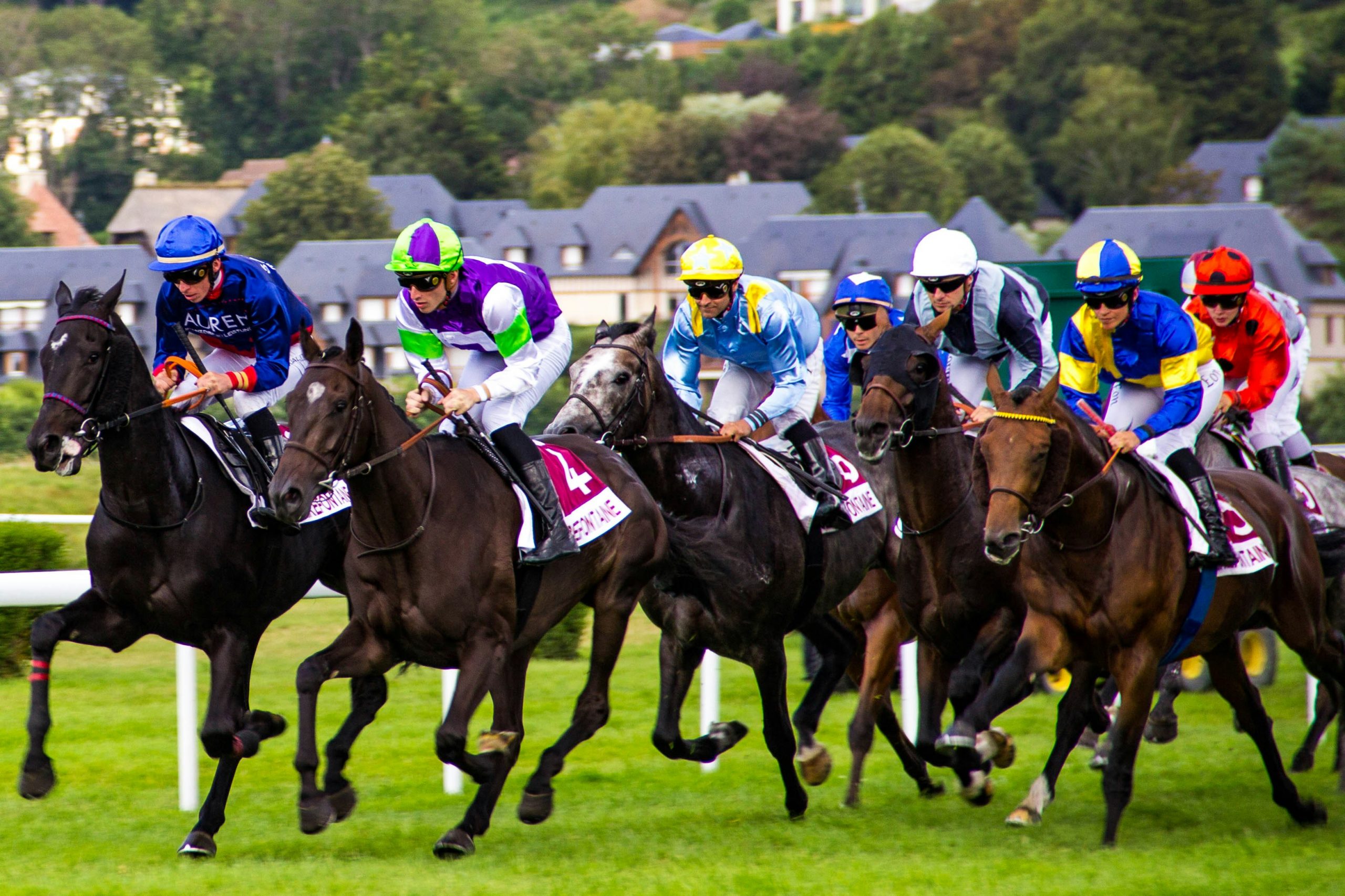
A Brief History of British Horse Racing
Horse racing in Britain dates back to prehistoric times, with evidence suggesting that ancient tribes competed with horses for sport and prestige. The first recorded races began in the 16th century, with King Charles II playing a vital role in popularizing the sport. Under his reign, the first thoroughbred horses were imported to England, which set the foundation for modern racing. The establishment of the Jockey Club in 1750 marked a significant development, providing governance and rules that still resonate in today’s racing environment.
The Derby, first held at Epsom Downs in 1780, became synonymous with British horse racing, capturing the public’s imagination and solidifying the event as a cornerstone of the sport. The mixture of wealth, social prestige, and competition created an aura that drew in audiences across the nation. Over the centuries, horse racing has evolved into a multi-billion-pound industry, with major events like the Grand National and the Cheltenham Festival attracting thousands of spectators and millions in betting.
The Current Landscape of British Horse Racing
Despite its rich history, British horse racing faces numerous challenges in 2023. Issues related to equine welfare have dominated discussions, with increased awareness around the treatment of racehorses leading to calls for reform. Organizations such as the RSPCA and Animal Aid have pushed for greater scrutiny of training practices and the conditions of racehorses both on and off the track. As the sport grapples with these ethical questions, it remains crucial for fans to seek reputable sources of information regarding racing integrity.
Financial difficulties have also plagued many racing venues, particularly in the wake of the COVID-19 pandemic. The loss of live audiences and the subsequent reliance on digital platforms has forced many tracks to pivot, which has, in some cases, impacted the quality of races and jockeys available. This transition to online betting has increased competition among racecourses while also presenting opportunities for innovation.
Betting Trends and The Shift in Enthusiasm
Traditional betting methods have dominated horse racing for decades, but the advent of online betting has changed how fans engage with the sport. Mobile applications and websites have made wagering more accessible, allowing punters to place bets from the comfort of their homes. However, issues arise with the proliferation of platforms that operate under strict regulations, including GamStop, which restrict betting activities.
Many enthusiasts have expressed frustration with these limitations, seeking alternative sites that allow them to engage in horse racing betting without the constraints imposed by GamStop. Consequently, non GamStop horse racing sites have gained traction, offering greater flexibility and catering to the needs of those who enjoy wagering on races without the restrictions imposed by some gambling regulations. This shift indicates a broader trend of seeking autonomy in entertainment choices amidst increasing regulation.
Exploring Non GamStop Horse Racing Sites
The popularity of non GamStop horse racing sites illustrates a willingness for punters to explore new avenues of betting. These platforms often offer a vast selection of races across various countries, providing a more diverse betting experience. Users can find numerous markets, including win/place/show bets, trifectas, and exotic wagers, all while avoiding self-exclusion protocols typical in regulated environments. Additionally, many of these sites entice users with attractive bonuses and promotions tailored to enhance the betting experience.
However, with increased options comes the necessity for greater diligence. While many non GamStop sites are reputable, some may lack adequate consumer protections or robust measures for responsible gambling. As such, it is essential for punters to conduct thorough research, reading reviews and seeking reliable recommendations from experienced gamblers or trusted platforms.
The Future of British Horse Racing and Betting
As British horse racing moves forward in uncertain times, embracing innovation will be crucial for survival and growth. This includes adapting to changes in consumer preferences and being responsive to social concerns over equine welfare. Stakeholders must prioritize transparency, particularly when engaging with fans through digital platforms, to foster trust and loyalty.
The potential for expanded engagement through non GamStop horse racing sites may provide a lifeline for both the sport and its fans, as it enables punters to explore betting

with fewer limitations. It’s a delicate balance; the sport must address ethical concerns while simultaneously offering exciting and responsible betting opportunities that resonate with a diverse audience.
Conclusion
British horse racing is a sport steeped in tradition and history, yet it faces modern challenges that could impact its future. As the landscape evolves, the emergence of non GamStop horse racing sites offers an alternative for bettors looking for flexibility and diversity in their wagering options. While navigating this new terrain, it is essential that both the industry and its fans work together to uphold the integrity of the sport while fostering a responsible betting environment. The road ahead may be uncertain, but the spirit of horse racing in Britain remains vibrant and dynamic, promising excitement for both participants and spectators alike.
